FAMILIES, PARENTS, & COUPLES
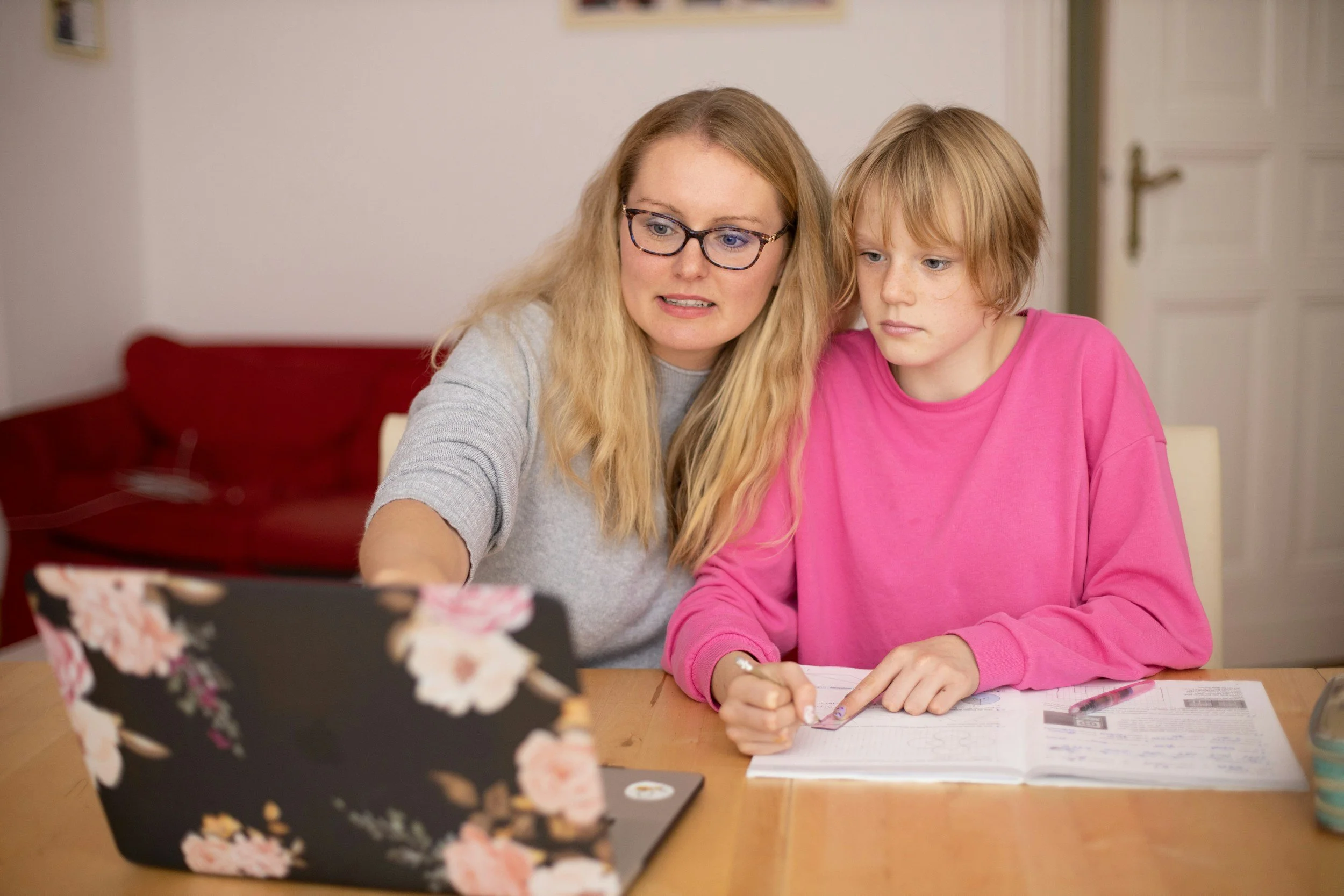
Circle of Security Parenting is a relationship-based early intervention program designed to enhance attachment security between parents and children. Decades of university-based research have confirmed that secure children exhibit increased empathy, greater self-esteem, better relationships with parents and peers, enhanced school readiness, and an increased capacity to handle emotions more effectively when compared with children who are not securely attached to primary caregiver(s).
Offered in English & Spanish
Adults with children in services
Nurturing Parenting in the whirlwind of modern life, where careers and family responsibilities often demand our undivided attention, finding the delicate balance between work and family can be challenging. Yet, amidst the chaos, it’s crucial to prioritize quality time with our children. One effective way to achieve this is through creative play and learning. Supporting connection, brain devolepment and joy in all families.
The Nurturing Program for Families of Neurodivergent Children has been designed to provide families the support they need to successfully navigate the journey of parenting. Families of neurodivergent children experience a profoundly personal journey. Each family brings to the experience a unique history, value system, cultural identity, and combination of strengths and challenges.

Small Steps educates caregivers about their children’s behavior, perspective, development, and self-understanding. Our clinicians support and encourage caregivers to be actively involved in nurturing healthy children in every developmental phase and life circumstance. Caregivers can engage in their own individual consultations and group sessions to discuss what challenges they face, and learn tools and skills to more effectively approach them. Modalities can include (but are not limited to) talk psychotherapy, cognitive-behavioral interventions, Art Therapy, Motivational Interviewing, narrative therapy, Somatic Psychotherapy, inner child/parts work, polyvagal theory-informed approaches, positive psychotherapy, strengths-based methods, mindfulness techniques, core values perspectives, adult attachment healing, Dialectic Behavior Therapy, Safe & Sound Protocol, solutions-focused strategies, and more.
Offered in English & Spanish for adults with children in services
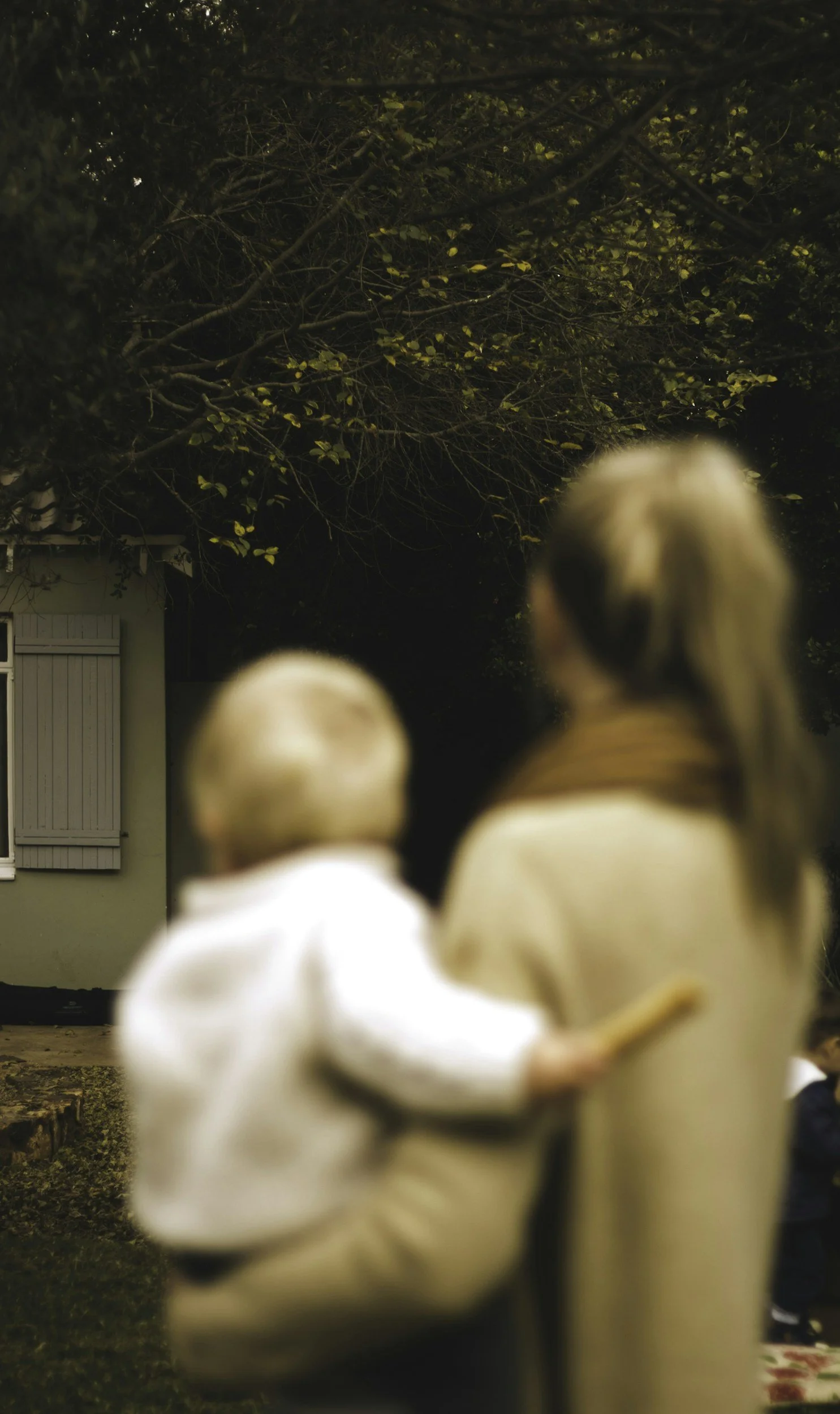
Many natural and normal changes occur during and following pregnancy that often impacts a mother’s eating habits, sleep routines, and moods. However, sometimes these changes may also indicate that a mom is experiencing pre- or postnatal depression, anxiety, or other mood imbalances due to emotional and physical changes related to pregnancy, childbirth, or parenting a new baby. Maternal mental health services provided at Small Steps Child Counseling include assessment and treatment of perinatal mood disorders and other concerns around emotional regulation, frustration tolerance, reactivity, overwhelm, and motivation stemming from pregnancy, childbirth, and early parenting. Mothers at any phase of perinatal experience.

While Small Steps does not generally provide couples therapy services, we do offer short-term couples interventions for adults already participating in our services via their own individual therapy or their child’s treatment. This additional support, which incorporates Gottman Method Couples Therapy, can be helpful in augmenting your individual or family treatment goals. Through assessment and intervention, couples experiencing relationship difficulties will begin to understand what makes relationships work well and what makes them fail. Couples will also learn how to identify strengths and vulnerabilities in their dynamics, and how they can stabilize their connection in a functional and healthy manner.
For adults with children in services
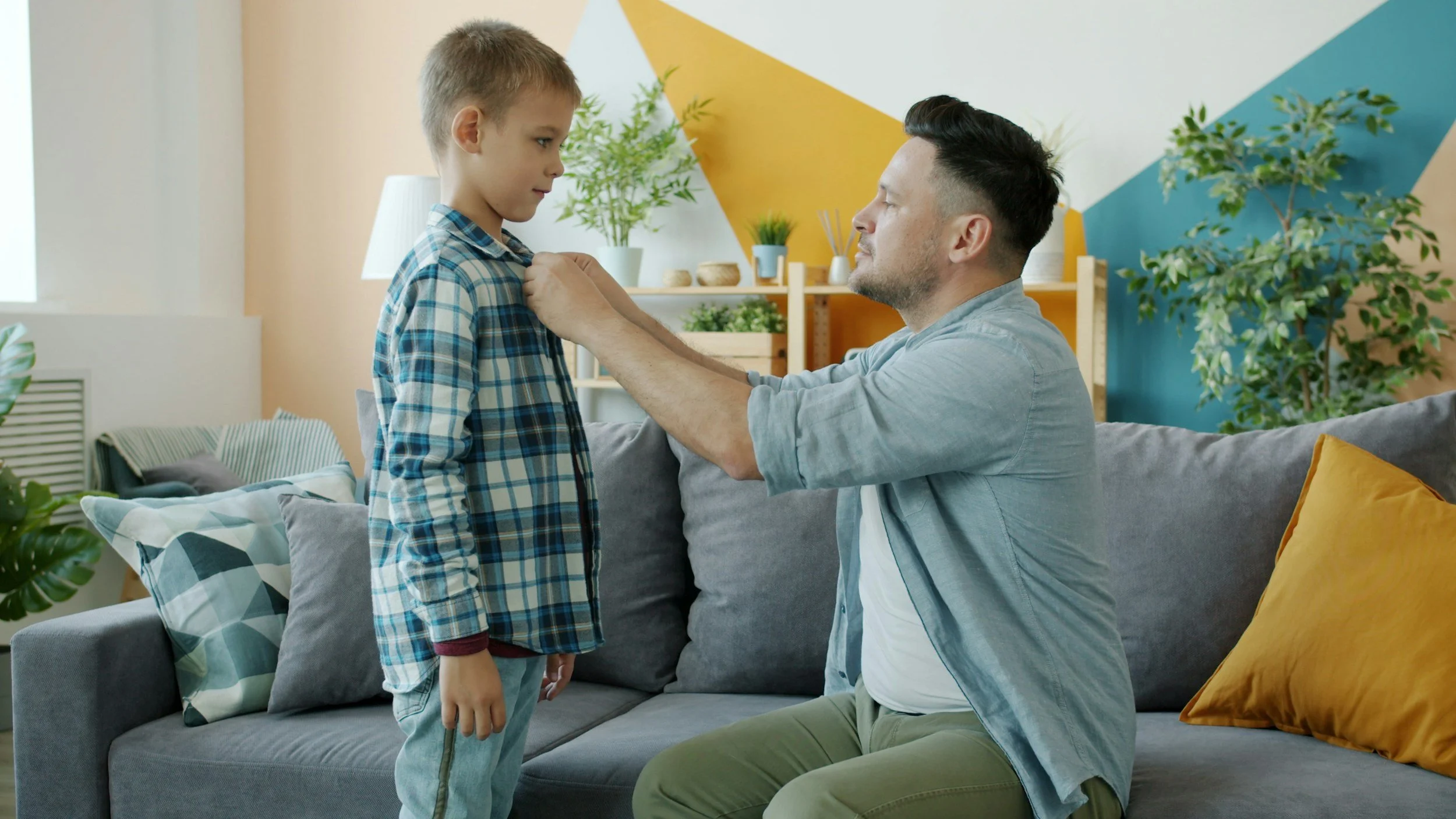
Child Parent Psychotherapy is an intervention model for children ages 0-5 who have experienced at least one traumatic event and/or are experiencing mental health, attachment, and/or behavioral problems, including post-traumatic stress disorder (PTSD). This treatment is based on attachment theory, but also integrates psychodynamic, developmental, trauma, social learning, and cognitive-behavioral approaches. Therapeutic sessions include the child and parent or primary caregiver(s). The primary goal of CPP treatment is to support and strengthen the relationship between a child and his/her/their caregiver as a vehicle for restoring the child’s cognitive, behavioral, emotional, and social functioning. Treatment also focuses on environmental factors that may affect the caregiver-child relationship. Offered in
English, Spanish
Ages 0-6